


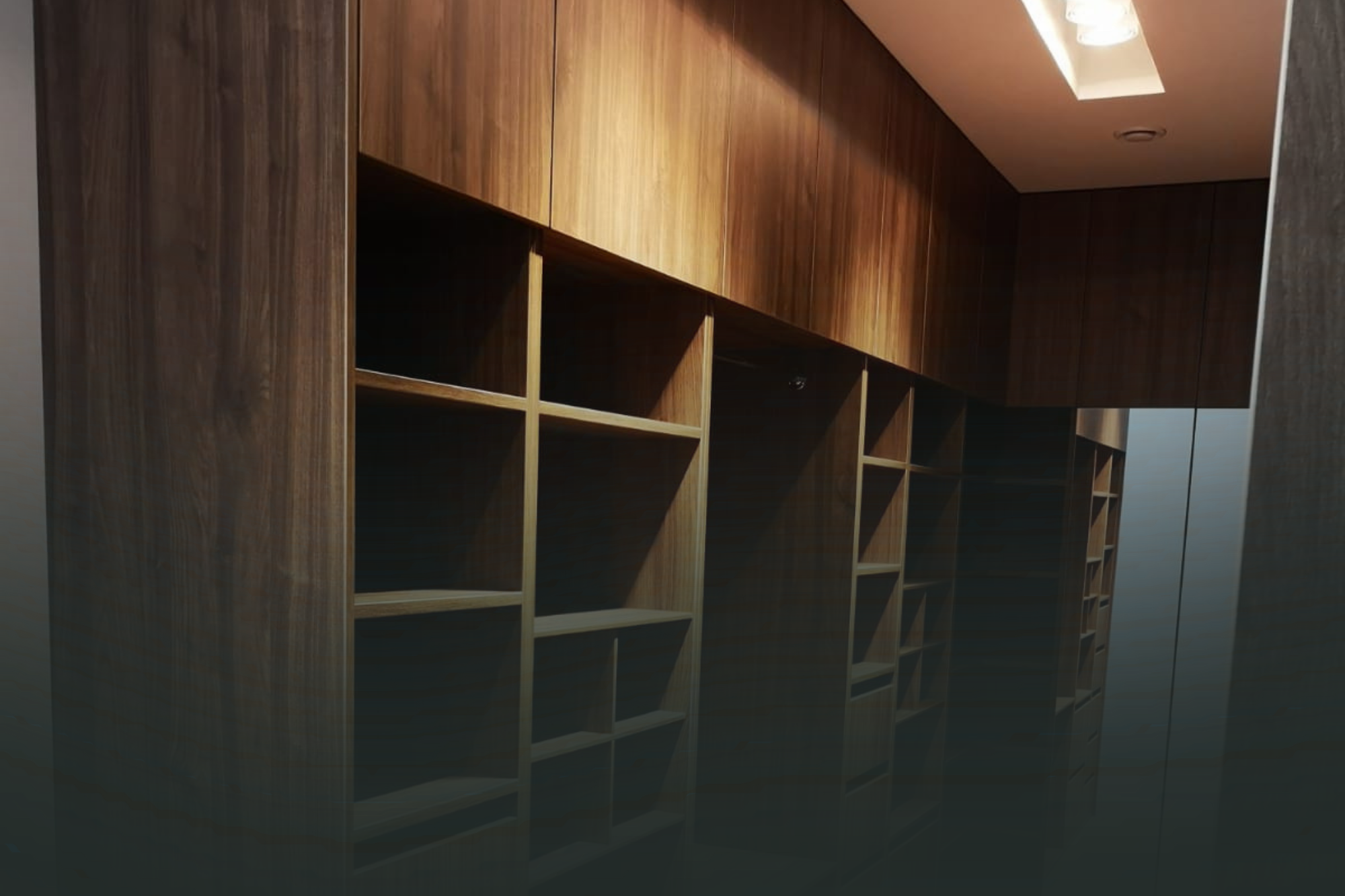
7 Reasons Why a Built-In Wardrobe up to the Ceiling Is a Smart and Valuable Investment
A Built-In Wardrobe up to the Ceiling: Why It’s a Smart Investment
A built-in wardrobe that reaches the ceiling is becoming an increasingly popular choice in modern homes, and for good reason. This functional, customizable, and durable type of furniture makes it possible to use every centimetre of space and create order that truly simplifies daily life. In this article, you’ll learn why this kind of wardrobe is a smart investment and how to choose the solution that suits you best.
Introduction – The Growing Demand for Built-In Wardrobes
Today, built-in wardrobes hold a strong place in interior design. Thanks to a wide variety of options and solutions, it’s possible to create both a classic and a very modern wardrobe that fits perfectly into any home. These wardrobes adapt to the size of the space and the needs of the user, making them not only beautiful but also very practical.
What Is a Built-In Wardrobe up to the Ceiling and How Does It Stand Out?
Full Use of Space
A built-in wardrobe up to the ceiling means that the entire vertical space is used efficiently—without empty gaps or dust collecting on top. The upper shelves are ideal for seasonal items, while the lower part is designed for everyday use.
Customised Design
Each wardrobe is designed individually—its style, materials, storage capacity, and hardware are adapted to the owner’s needs. This makes it a long-term investment that serves well for many years and never goes out of style.
Built-In Wardrobe Design: Colour and Finish Options
Neutral and Dark Tones in the Interior
When choosing colours, consider the style of the room:
- Neutral tones—white, beige, grey—create a calm and spacious feeling.
- Dark tones—black, graphite, walnut—add elegance and practicality.
Door Materials
The doors are one of the key design features. Available options include:
- laminate,
- tinted glass,
- matte glass,
- mirror — especially popular in small rooms as it visually enlarges the space.
Important Factors Before Ordering
Accurate Measurements
Before designing, it’s essential to take precise measurements of the room, as these determine the wardrobe’s depth, width, and the type of doors.
Storage Needs
You should know:
- how many items need to be stored,
- what kinds of things will be organized inside the wardrobe,
- which elements will be required — baskets, drawers, rods, shelves.
Hardware and Structural Solutions for Quality
Variety of Storage Elements
These include adjustable shelves, pull-out baskets, drawers, clothing lifts, and special rods.
Quality of Hardware
The durability of the wardrobe depends on the hardware. Good hinges, sliding mechanisms, and strong materials ensure stability during everyday use.
Sliding or Hinged Doors — Which to Choose?
Sliding Doors
Ideal for narrow spaces, they don’t block walkways and create a modern look.
Hinged Doors
They provide full access to the inside of the wardrobe and are suitable for rooms with enough opening space.
Placement of a Built-In Wardrobe
Niches, Attics, Narrow Hallways
These wardrobes adapt perfectly to challenging spaces — sloped ceilings, niches, and unusual architecture are no longer an obstacle.
Why a Built-In Wardrobe up to the Ceiling Is a Smart Investment
Maximising Space
The wardrobe acts as an architectural solution that makes the home tidy and visually organised.
Capacity and Customisation
The configuration can be compact or very spacious — everything depends on the client’s needs.
The Ideal Time to Plan a Wardrobe
The best time to plan a built-in wardrobe is during the design stage of a home, but excellent solutions are also possible in an existing interior — in niches, corners, and partition walls.
The Role of Sliding Doors
Sliding doors combine practicality and style. They help save space, ensure ventilation, and can even serve as room dividers.
Perfect Planning or Configuration
It’s important to determine:
- who the wardrobe is for,
- how many people will use it,
- what items will be stored.
This helps choose the right proportion of drawers, shelves, and rods.
Budget Planning
The budget can be adjusted — from economical options to exclusive custom projects. The price is influenced by materials, hardware, and the complexity of the structure.
Why Work With a Professional Designer
A specialist can assess the space, suggest technical solutions, ensure proper ergonomics, and create visual balance. This often saves both time and money and ensures a perfectly successful result.
If you would like a consultation or want to order a built-in wardrobe up to the ceiling, you can sign up here:
(website link)
Frequently Asked Questions
- How long does a built-in wardrobe up to the ceiling last?
With quality hardware, a wardrobe can last 15–25 years or even longer. - Can a wardrobe be installed in an attic with sloped ceilings?
Yes, this is one of the most popular customised solutions. - What is the optimal wardrobe depth?
The standard depth is 60 cm, but it can be adjusted to the room. - What affects the price of a wardrobe?
Materials, hardware, shelf configuration, door type, and technical solutions. - Are sliding doors reliable for everyday use?
Yes, if high-quality mechanisms are used. - Is it possible to install a wardrobe in an existing apartment?
Of course — built-in wardrobes integrate beautifully into a finished interior.
Conclusion
A built-in wardrobe up to the ceiling is one of the smartest and most cost-effective long-term investments in home improvement. It helps maximise space, maintain order, and create an environment that is both functional and visually appealing.
If you want a professionally designed and well-installed wardrobe, contact Ādažu Mēbeles:
https://adazumebeles.lv/en/contacts/